

The Risk factors for suffering from Gestational Diabetes
The objective of creating this blog is to provide you with information that is as digestible and useful as possible that can be very useful to all parents, so without further ado, let's start with What is Gestational Diabetes??
Gestational diabetes mellitus is a type of temporary diabetes defined as glucose intolerance that is discovered during pregnancy.. The body digests the food you eat to make sugar (glucose) that enters the bloodstream. In response to it, the pancreas produces insulin. Insulin is a hormone that helps glucose travel from the bloodstream to the body's cells., where it is used as energy.
Durante el embarazo, la placenta, que conecta al bebé con tu suministro de sangre, produce niveles altos de otras hormonas. Casi todas ellas inhiben la acción de la insulina en las células, lo que eleva el nivel de azúcar en sangre. Durante el embarazo, es normal que haya un leve aumento del azúcar en sangre después de las comidas, en la diabetes gestacional, las hormonas de la placenta provocan un incremento del azúcar en sangre hasta un nivel que puede afectar el crecimiento y el bienestar del bebé.
The Risk factors for suffering from Gestational Diabetes
- Edad mayor de 25 a 30 years
- IMC > 25 kg/m2 SC
- Antecedentes de hijos macrosómicos
- Diabetes mellitus en familiares de primer grado
- Antecedentes de intolerancia a la glucosa
- Glucosuria
- Ganancia de más de 20 kg de peso en la actual gestación
- Antecedentes de problemas obstétricos serios
- Low fetal birth weight (90th percentile)
- Ethnicity at high risk for obesity or diabetes mellitus
Do you have symptoms?

In general, gestational diabetes has no symptoms, but you can feel thirstier than normal, urinate more frequently, dizziness or vomiting accompanied by tiredness, symptoms similar to those of a pregnancy, which is why many women consider these symptoms normal.
How do I detect it?

The diagnosis is based on the location of hyperglycemia in the blood of the future mother.. It is very important that the pregnant woman undergo different blood tests to control sugar levels..
The test is carried out during the week 24 y 28 pregnancy, period in which the first alterations in glucose metabolism can already be discovered, he The test performed is the O'Sullivan test or glucose screen..
What risks does it have for the baby??
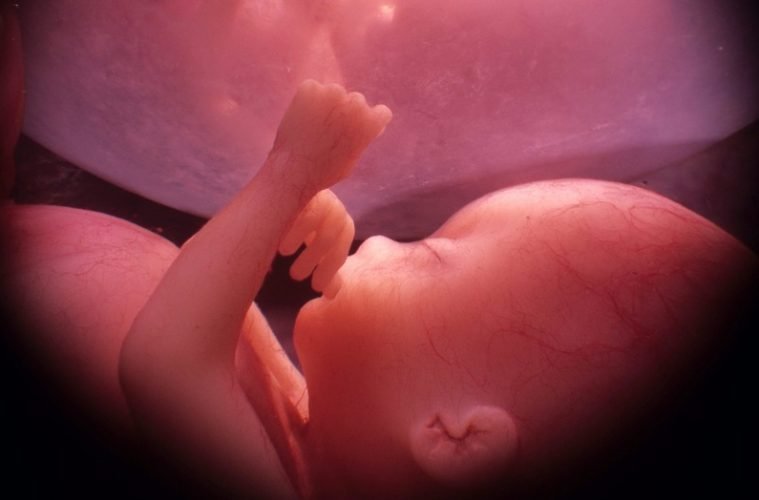
-Premature birth: High blood sugar in the mother may increase the risk of preterm labor
-Caesarean section delivery: Excess sugar in the mother accumulates as subcutaneous fat in the fetus, This can affect having a natural birth..
–low blood sugar (hypoglycemia): Sometimes, Babies of mothers with gestational diabetes have low blood sugar (hypoglycemia) shortly after birth because your own insulin production is high. Severe episodes of hypoglycemia can cause seizures in the baby.
-type diabetes 2 later in life: lBabies of mothers with gestational diabetes have a higher risk of obesity and type 2 diabetes. 2 in the future.
What risks does it have for the mother??
-Diabetes in the future: If you have gestational diabetes, you are more likely to suffer from it again in a future pregnancy. You are also more likely to have type 2 diabetes. 2 as you get older.
–High blood pressure and preeclampsia: Gestational diabetes increases the risk of high blood pressure and preeclampsia.
Does Gestational Diabetes have a cure??
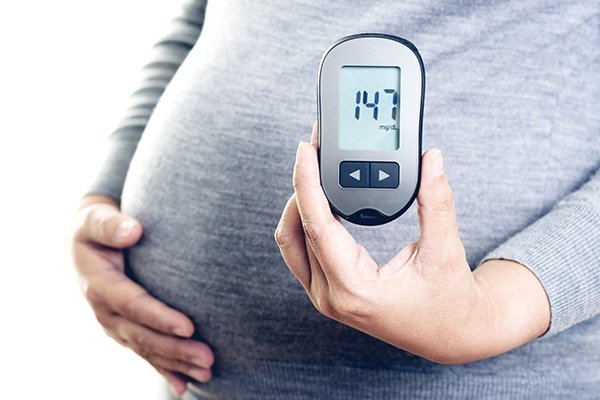
Normally, Gestational Diabetes is a temporary condition in most cases., so if it is detected in time there are certain measures you can take to minimize the risks., As always, our first recommendation and the most important is to visit your doctor before taking medication or making assumptions. He will determine your situation and indicate the actions you should take to improve your health and that of the baby..
Doctors recommend eating a healthy, balanced diet accompanied by exercise before, during and after pregnancy this will help you prevent diabetes of any type or in any case control it.